
The COVID-19 pandemic marked a structural turning point for Malaysian businesses and the national tax environment. During the crisis years, businesses relied on tax reliefs, deferments, and temporary administrative flexibility to survive.
As the economy stabilised, these measures were gradually withdrawn and replaced with tighter compliance expectations, digital reporting requirements, and more proactive enforcement.
In 2026, businesses are no longer operating in a transitional phase but in a post-COVID recovery and normalisation environment.
Rising operating costs, increased financing needs, and greater transparency through digital systems mean that tax planning must now support cash flow sustainability, regulatory compliance, and long-term growth.
Companies that continue to rely on pre-COVID assumptions or reactive tax practices may find themselves exposed to audits, penalties, and unnecessary financial strain.
Why LHDN Scrutiny Is Higher in the Post-COVID Era

Following the pandemic, Lembaga Hasil Dalam Negeri Malaysia (LHDN) has significantly strengthened its audit and enforcement framework.
During COVID, LHDN collected extensive taxpayer data through relief applications, subsidy claims, instalment revisions, and restructuring requests. This data now forms the basis of targeted, risk-based audits.
Businesses that experienced a sharp rebound in profitability after reopening are under particular scrutiny. A common red flag arises when companies report substantial profits while directors’ remuneration remains disproportionately low or when expense patterns change significantly without commercial justification.
From LHDN’s perspective, such inconsistencies may indicate under-reported income, non-deductible expenses, or ineffective tax controls.
In addition, Malaysia’s post-pandemic fiscal priorities require stronger tax collection to support public spending and economic development.
As a result, audits today are more structured, documentation-focused, and data-driven than in the pre-COVID period. Businesses are expected to justify not only their tax positions but also the commercial rationale behind them.
E-Invoicing and Increased Visibility of Income
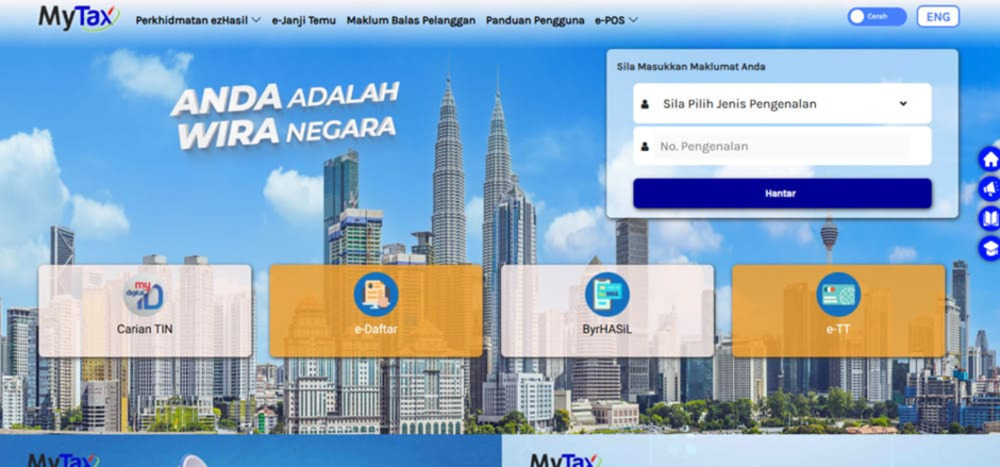
The nationwide implementation of e-Invoicing represents one of the most significant post-COVID tax developments. Under this system, transactional data becomes digitally structured, standardised, and increasingly accessible to tax authorities. This has materially reduced the opacity that once existed in income reporting and inter-company transactions.
For businesses, e-Invoicing means that revenue recognition, related-party charges, and recurring service arrangements are now easier to trace and cross-check. For directors and business owners, the implications extend to personal tax exposure. Situations where companies declare strong profits while directors draw minimal salaries and rely primarily on dividends are now more likely to attract queries.
A professional and defensible approach involves structuring remuneration through a balanced mix of reasonable salaries, statutory contributions, performance-based bonuses, and dividends. Such an approach aligns company profitability with personal income reporting and reflects the commercial reality of post-COVID business recovery. In a digital reporting environment, consistency and substance are no longer optional.
Discover more about our latest e-invoice implementation date and requirements to guide you on how to plan e-invoicing for your business.
3 Common Post-COVID Tax Mistakes Made by SMEs

Many SMEs focused on recovery after the pandemic and moved quickly to grow their operations. However, several common tax mistakes have emerged during this transition.
1. Expanding Without Reviewing Tax Implications
As markets reopened, many SMEs expanded rapidly by opening new outlets, increasing inventory, or purchasing new assets to capture rising demand.
While these decisions made commercial sense, tax planning was often overlooked. Without proper timing for tax deductions, capital allowances, or structural planning, businesses may face unnecessary tax payments and cash flow pressure.
2. Operating Multiple Business Activities Under One Company
Another common issue involves running different business activities under a single company.
During the pandemic, this approach helped reduce administrative workload. In the post COVID environment, combining trading operations, asset ownership, property holding, and financing activities within one entity can create higher tax exposure and operational risk.
Separating activities through a clearer business structure often improves tax efficiency and financial management.
3. Underestimating New Compliance Expectations
Compliance expectations have also changed significantly after the pandemic.
Practices that were once tolerated during COVID such as delayed tax filings, poorly documented claims, or informal related party transactions now attract greater scrutiny.
The current tax environment requires:
- Clear documentation
- Proper segregation of transactions
- Stronger internal tax controls
Businesses that adjust their compliance practices early are better prepared for audits and regulatory reviews.
Tax Planning as a Tool for Business Recovery and Growth

Effective post-COVID tax planning is not about aggressive minimisation but about optimising cash flow while maintaining compliance. For recovering businesses, the focus is on managing tax payments in line with actual financial capacity, ensuring that instalments, allowances, and deductions are properly utilised.
For growing businesses, tax planning becomes a strategic tool. Proper structuring improves financial transparency, supports loan applications, and enhances credibility with banks and investors. Financial institutions increasingly assess tax compliance history as part of credit evaluations, particularly in a post-COVID risk-sensitive environment.
Well-planned tax positions also reduce uncertainty. Businesses with predictable tax outcomes can make more informed decisions about expansion, hiring, and capital investment. In this sense, tax planning supports not only compliance but also strategic confidence.
When to Review Your Business Structure After COVID

As a general guideline, businesses should review their structure every three to five years. However, the post-COVID environment introduces additional triggers that warrant earlier review. These include rapid profit recovery, diversification into new activities, acquisition of significant assets, or changes in ownership and management roles.
Many businesses evolved informally during the pandemic out of necessity. In 2026, these arrangements often need to be formalised and reassessed. A structured review helps identify whether current arrangements remain tax-efficient, compliant, and aligned with business objectives.
What worked before COVID may no longer be suitable today. A timely review allows issues to be addressed proactively, rather than under the pressure of an audit or financing requirement.
Supporting Businesses Through Post-COVID Tax Planning
In 2026, tax planning is an integral part of operating a resilient and sustainable business in Malaysia. A proactive approach helps businesses adapt to regulatory changes, manage risk, and position themselves for long-term growth.
NKH accounting & tax firm in Malaysia supports businesses through our tax planning services in Malaysia, post-COVID planning assessments, and practical advisory solutions designed to align compliance with commercial objectives.
Contact us for more information on how to make preparations for post-COVID tax planning with our professional guidance.
Frequently Asked Questions (FAQs)
Yes. Tax planning focuses on ensuring taxes are paid correctly, at the appropriate time, and through the proper structure. The emphasis today is on substance, documentation, and commercial alignment.
E-Invoicing increases transparency, not risk. Businesses with inconsistent reporting or unsupported transactions are more likely to be identified.
Remuneration should reflect actual responsibilities and company performance. A balanced structure reduces unnecessary exposure and aligns with regulatory expectations.
Ideally before expansion, restructuring, or major profit recovery. Early review is significantly more cost-effective than remediation during an audit.

Kim Heng is an accounting and taxation professional whose sterling reputation has drawn countless clients to the NKH Group. When the GST was first introduced, he was commissioned to give 100+ talks on GST implementation as well as over 20++ talks on E- Invoice implementation by multiple businesses and industry associations, showing the depth of their confidence in his expertise. In the following years, Kim Heng would go on to share his knowledge on (among others) branding, tax planning, and fundraising at 20+ seminars organised by business associates that were widely attended by the public. He has over 20 years of experience consulting and advisory on taxation, corporate structure planning, business valuer, company secretarial administration, constitution advisory, and etc.